
I am currently intregued by the study of the 'Greek' Goddess Hekate or Hecate as she is later known after being integrated into Roman Mythology. The surprising thing that intregues me about Hakate is how far and distant reaching her worship was I suppose there are other Gods and Goddess who've had a similiar fate in time such as the Egyptyian Goddess Isis.
I have posted a link to a site that describes the history and origin of Hakate in good detail but I will make a summory here purely for my own future reference.
There is evidence that the mythology of the Goddess Hekate originated in the Karian culture of Asia Minor and was integrated into Greek mythology around the 6th Century BCE. However there are traces of her and evidence of her worship to be found everywhere in Asia Minor. It is possible that she is related to the Frog headed Egyptian Goddess of Midwifery Hekat. In ancient Egypt the matriarch and wise woman of a tribe was always known as a 'heq' so it is possible that Hekate can be linked with the matriarchal cultures of ancient Egypt :)
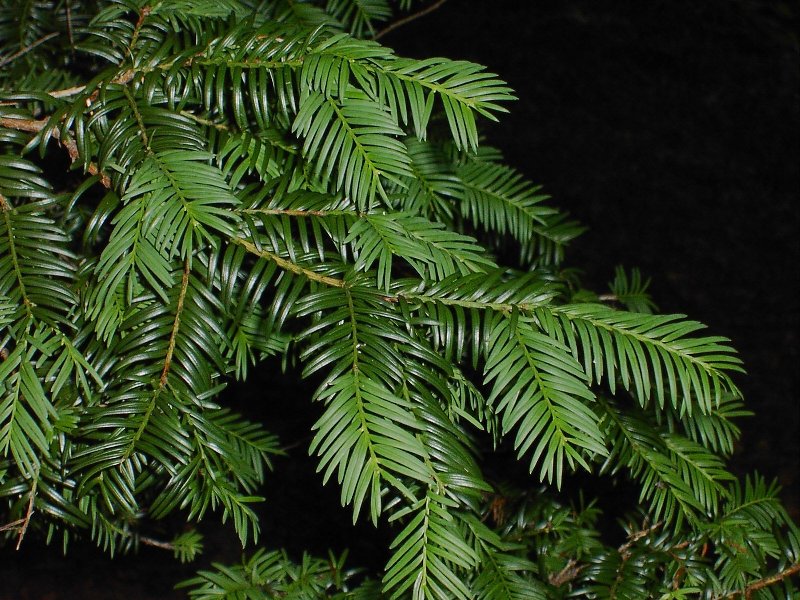
Now seems to be a good time to dedicate some love to Hekate, to seek her wisdom, help and advice. Special days associated with Hekate are August 13 and November 16 according to the Wheel of the Year. Rituals using Hekate's wisdom are best performed at the New Moon or during the dark of the moon. Hekate is a Triple Goddess also addressed as Hekate Triformus. She is a Goddess of Change :) All animals are sacred to Her but She is widely associated with black dogs, wolves, serpents, owls, and my favourite crows and Ravens. Yew, Hazel, Cypress and Willow trees are her sacred trees. Yew apparently is associated with death and rebirth.
In later times the Triple Hekate took on the form of a pillar called a Hecterion. One such statue depicts her with three heads and six arms, bearing three torches and three sacred emblems - the Key, Rope, and Dagger. With her key to the underworld, Hekate unlocks the secrets of the occult mysteries and knowledge of the afterlife. Often seen as Hekate the guide and companion of initiates into the Eleusinian mysteries. The rope, which is also a scourge or cord, symbolizes the umbilical cord of rebirth and renewal. The Dagger, that cuts delusion and is a symbol of ritual power, of her own mysterious powers :)
Hekate sometimes known as the 'Distant One', was the protectress of remote places, roads, and byways. At night, particularly at the dark moon, Hekate could be 'seen' walking the roads of ancient Greece accompanied by her howling dogs and blazing torches. As Triple Hekate of the Crossways, her nature was especially present where three roads converged at one of the entrances to the underworld...
I've recently also become very into dancing in perticular shamanic, or ritualistic dance where you enter a trance like state. There is something on in Holborn on the 7th of September, £2 entrance fee which I am keen to go to. It's organised by 'The Secret Chiefs' and the event is called 'Runa Megin - A Personal Journey With The Runes'. Hosted by Kate Waterfield she is a shamanic healer and mucisian. She will discuss and perform her first album 'Runa Megin' a musical exploration of the meaning and character of 9 ancient runic symbols. It sounds really interesting. Location: Upstairs at the Devereux pub (20 Devereux court, off Essex Street London WC2). Nearest tube Temple. Meet from 7pm and talk starts 8:30pm.
posted by Burcu Urundul @ 5:45 pm




0 Comments:
Post a Comment
<< Home